

Charger Anaheim Pepper Seed
Charger Anaheim Pepper Seed
Couldn't load pickup availability
Seed Type
Seed Type
F1 Hybrid (Untreated)
Seeds Per Pack
Seeds Per Pack
12
Days to Maturity
Days to Maturity
75
Disease Resistance
Disease Resistance
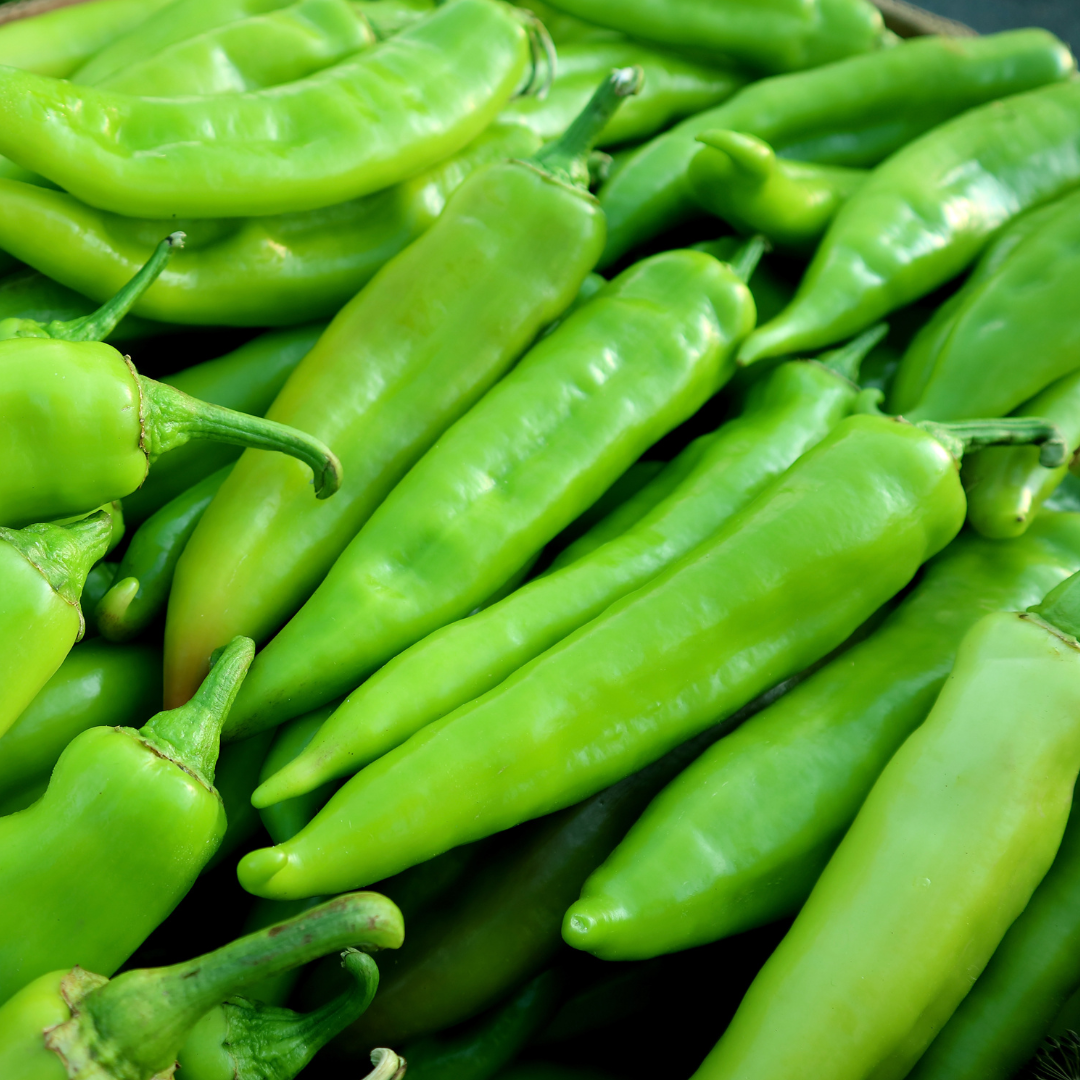
Why Grow Charger Anaheim Pepper?
Premium Anaheim Pepper Variety The Charger Anaheim Pepper is a high-performing variety known for its large, smooth fruit, early maturity, and excellent plant vigor. Producing peppers that average 7½ inches long with a 1.5-inch diameter, Charger delivers uniform, somewhat flat fruit with thicker flesh than many traditional Anaheim varieties. Its mild heat level makes it a versatile choice in the kitchen, especially for roasting, where its size and flesh really shine. These qualities make Charger an excellent option for both home gardeners and market growers looking for dependable quality.
Early, Vigorous, and Reliable Charger Anaheim Pepper plants are medium to large in size and feature an outstanding canopy that provides excellent fruit protection from sunscald. The plants exhibit strong vigor and reliable performance throughout the growing season, along with resistance to tomato spotted wilt virus for added confidence in the field or garden. With earlier maturity, excellent fruit protection, and peppers perfectly suited for roasting, Charger Anaheim Pepper stands out as a dependable and productive choice for growers seeking consistency and quality.
Charger Anaheim Pepper Growing Tips
• When to Plant Peppers
Peppers are a "warm season" vegetable that should be transplanted in the garden once the risk of frost has passed in the early spring months. Start the seeds in a greenhouse or seed starting room 6-8 weeks before your intended in-ground planting date.
Compared to other vegetables, pepper seeds will take longer to germinate. It's not unusual for pepper seeds to take 7-10 days to germinate. Hotter peppers can take even longer. Be patient and keep your seed starting mix and the soil temperatures consistently warm. A heat mat is your best friend when germinating pepper seeds.
Once you have pepper seedlings with a well-developed root ball, give each pepper plant approximately 2' or more of space in your garden. Planting them close and allowing the plants to lean on one another helps support the plants as they grow. You can use cages or a Florida Weave trellis to support the plants as they develop fruits.
To learn how to use the Florida Weave trellis, watch this video.
• How to Fertilize Peppers
It's always a good idea to apply some pre-plant fertilizer to the soil when planting peppers. We like to add a handful Coop Gro organic fertilizer in the planting hole for each pepper plant. This ensures the plants have the right nutrients to put down roots in their new soil.
Fruiting vegetables like peppers will benefit from something called "spoon feeding." This process involves frequent fertilizations at lower concentrations, as compared to fertilizing them heavily once.
Once your pepper plants start to grow after transplanting, feed them every 2-3 weeks with a relatively balanced fertilizer. We like to sprinkle Coop Gro around the plants or make a liquid solution of AgroThrive Fruit & Flower and pour that alongside the plants.
• Harvesting Peppers
Peppers can be harvested at any size you'd like. If you're needing fresh peppers for a particular dish, don't hesitate to pick them smaller. Or you can let them grow to their full potential before harvesting them.
Many peppers will turn a different color as they mature. This is often when the peppers have the most flavor. In the case of Charger Anaheim Peppers, they'll start out light green and mature to a beautiful dark red color. If you can wait and let them turn completely red, you'll be rewarded with some delicious, flavorful peppers!