

Mountain Heritage Tomato Seed
Mountain Heritage Tomato Seed
Couldn't load pickup availability
Seed Type
Seed Type
F1 Hybrid (Untreated)
Seeds Per Pack
Seeds Per Pack
10
Days to Maturity
Days to Maturity
70
Disease Resistance
Disease Resistance
Why Grow Mountain Heritage Tomato?
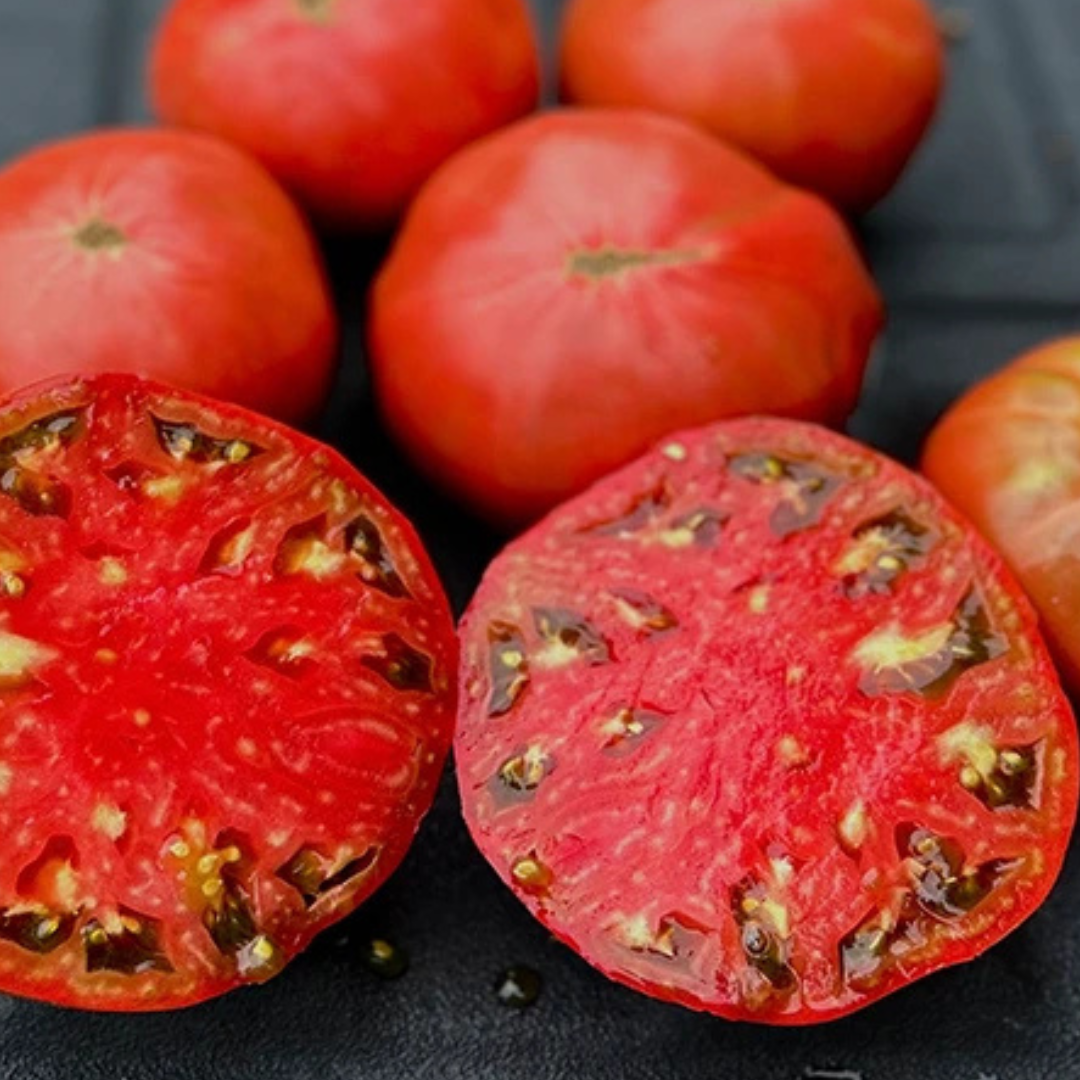
Heirloom Flavor with Modern Reliability Mountain Heritage Tomatoes deliver rich, old-fashioned taste paired with the performance today’s gardeners expect. This premium “hy-loom” variety was developed by Randy Gardner at NC State University and is prized for its large, high-quality fruits and exceptional eating experience. A specialty purple tomato, Mountain Heritage is similar in color to Cherokee Purple but stands out with improved fruit quality, better shelf life, and enhanced disease resistance—making it a smart upgrade for heirloom tomato lovers.
Deep Color, Meaty Texture, and Vigorous Growth Mountain Heritage Tomatoes feature stunning smoke-rose to dark mahogany flesh that’s dense, meaty, and packed with outstanding heirloom flavor. The vigorous indeterminate plants produce steadily throughout the season and offer good crack resistance for more market-worthy harvests. Ideal for slicing, fresh eating, or showcasing in premium tomato dishes, Mountain Heritage is an excellent choice for gardeners who want the classic look and taste of a purple heirloom tomato with the added confidence of modern breeding.
Mountain Heritage Tomato Growing Tips
• When to Plant Tomatoes
Tomatoes are a "warm season" vegetable that should be transplanted in the garden once the risk of frost has passed in the early spring months. Start the seeds in a greenhouse or seed starting room approximately 6 weeks before your intended in-ground planting date. Give each of these plants approximately 4' or more of space in your garden.
Timely planting is important for those in southern climates, as hot summer weather can be rough on tomato plants. Gardeners in warmer climates should aim to get their plants in the ground as soon as possible in early spring. Gardeners in areas with milder summers have the advantage of a longer tomato season, and don't have to be as timely with planting.
Mountain Heritage is an indeterminate tomato variety, which means the plants will continue to grow throughout the warm season. When fed well, these plants will get quite large. Be prepared to provide them a tall trellising structure if you want to enjoy the continued production that they offer.
• How to Fertilize Tomatoes
It's always a good idea to apply some pre-plant fertilizer to the soil when planting tomatoes. We like to add a handful Coop Gro organic fertilizer in the planting hole for each tomato plant. This ensures the plants have the right nutrients to put down roots in their new soil.
Fruiting vegetables like tomatoes will benefit from something called "spoon feeding." This process involves frequent fertilizations at lower concentrations, as compared to fertilizing them heavily once.
Once your tomato plants start to grow after transplanting, feed them every 2-3 weeks with a relatively balanced fertilizer. We like to sprinkle Coop Gro around the plants or make a liquid solution of AgroThrive Fruit & Flower and pour that alongside the plants. Tomato plants will also benefit from "hilling" when they grow to approximately 12-18" tall.
*To learn more about how to hill tomatoes, watch this video.
• Harvesting Tomatoes
While there is much hype about the quality and flavor of "vine ripe" tomatoes, allowing tomatoes to ripen on the vine can be a risky proposition. As they ripen, they become susceptible to attacks from birds or pests like tomato hornworms.
As a result, we prefer to harvest our tomatoes when they start to turn pink. We then set them inside on a counter so they can continue to ripen. This does not compromise the flavor, but it does save our tomatoes from being eaten by pests. If you have minimal pest pressure, feel free to let your tomatoes ripen on the vine.